





Isorhamnetin是一种从中草药Hippophae rhamnoides L.中提取的类黄酮化合物,具有抗氧化、抗炎、抗癌和神经保护等多种生物活性。

Cas No.:480-19-3
Sample solution is provided at 25 µL, 10mM.
_1-3.$$$39978408@51.jpg');)
_1-9.$$$38538795@65.jpg');)
_1-9.$$$39112701@51.jpg');)
_1-7.$$$37316672@70.jpg');)
_366-372.$$$36198801@70.jpg');)
.$$$38565142@65.jpg');)
_1867-1883.$$$33248023@67.jpg');)
_eads6055.$$$39977546@45.jpg');)
_eadm9805.$$$40080571@45.jpg');)
_eadj3020.$$$39666821@45.jpg');)
_1-20.$$$39757301@28.jpg');)
_1-24.$$$38898113@28.jpg');)
_273-287.$$$36806353@46.jpg');)
_1-16.$$$37156877@44.jpg');)
_1-19.$$$37460805@44.jpg');)
_1291-1307.$$$34518654@46.jpg');)
Isorhamnetin is a flavonoid compound extracted from the traditional Chinese medicine Hippophae rhamnoides L., possessing various biological activities including antioxidant, anti-inflammatory, anticancer, and neuroprotective effects[1, 2]. Isorhamnetin exerts its effects by regulating multiple cellular signaling pathways (such as NF-κB and PI3K/AKT), and is beneficial for cardiovascular health, diabetes, and potentially neurodegenerative diseases[3].
In vitro, treatment of A549 cells with Isorhamnetin (31.6, 63.2µM) for 24h resulted in the accumulation of A549 cells in the G0/G1 phase, a decrease in the number of cells in the S phase, and induced apoptosis. Isorhamnetin upregulated the expression of apoptotic genes Bax, caspase-3, and p53, and downregulated the expression of Bcl-2, cyclin D1, and PCNA proteins[4]. Treatment of HepG2 cells with Isorhamnetin (10-100µM) enhanced the nuclear translocation of NF-E2-related factor 2 (Nrf2) in a dose- and time-dependent manner, increased antioxidant response element (ARE) reporter gene activity, and elevated the protein levels of heme oxygenase-1 (HO-1) and glutamate cysteine ligase (GCL), and increased intracellular glutathione (GSH) levels[5].
In vivo, Isorhamnetin (5mg/kg) administered via intraperitoneal injection for 7 days to rats with a chronic cardiotoxicity model significantly reduced myocardial damage, decreased serum cardiac enzyme release, and reduced myocardial vacuolization[6]. Isorhamnetin (5mg/kg) administered via intraperitoneal injection to mice with experimental stroke significantly reduced cerebral edema, improved blood-brain barrier function and neurological function, and upregulated the gene expression of tight junction proteins (including occludin, ZO-1, and claudin-5)[7].
References:
[1] Khaled R. Biological activities of isorhamnetin: A review[J]. Plantae Scientia, 2020, 3(5): 78-81.
[2] Teng B, Lu Y H, Wang Z T, et al. In vitro anti-tumor activity of isorhamnetin isolated from Hippophae rhamnoides L. against BEL-7402 cells[J]. Pharmacological research, 2006, 54(3): 186-194.
[3] Mao Y, Zha Y, Zang Y, et al. Isorhamnetin improves diabetes-induced erectile dysfunction in rats through activation of the PI3K/AKT/eNOS signaling pathway[J]. Biomedicine & Pharmacotherapy, 2024, 177: 116987.
[4] Li Q, Ren F Q, Yang C L, et al. Anti-proliferation effects of isorhamnetin on lung cancer cells in vitro and in vivo[J]. Asian Pacific Journal of Cancer Prevention, 2015, 16(7): 3035-3042.
[5] Yang J H, Shin B Y, Han J Y, et al. Isorhamnetin protects against oxidative stress by activating Nrf2 and inducing the expression of its target genes[J]. Toxicology and applied pharmacology, 2014, 274(2): 293-301.
[6] Sun J, Sun G, Meng X, et al. Isorhamnetin protects against doxorubicin-induced cardiotoxicity in vivo and in vitro[J]. PloS one, 2013, 8(5): e64526.
[7] Zhao J J, Song J Q, Pan S Y, et al. Treatment with isorhamnetin protects the brain against ischemic injury in mice[J]. Neurochemical Research, 2016, 41(8): 1939-1948.
Isorhamnetin是一种从中草药Hippophae rhamnoides L.中提取的类黄酮化合物,具有抗氧化、抗炎、抗癌和神经保护等多种生物活性[1, 2]。Isorhamnetin通过调节多种细胞信号通路(如NF-κB、PI3K/AKT)来发挥作用,对心血管健康、糖尿病及潜在的神经退行性疾病有益[3]。
在体外,Isorhamnetin(31.6, 63.2µM)处理A549细胞24h,导致A549细胞在G0/G1期积累,同时S期细胞数量减少,诱导了细胞凋亡,上调了凋亡基因Bax、caspase-3和p53的表达,下调了Bcl-2、cyclinD1和PCNA蛋白的表达[4]。Isorhamnetin(10-100µM)处理HepG2细胞,以剂量和时间依赖性方式增强了 NF-E2相关因子2(Nrf2)的核内易位,升高了抗氧化反应元素(ARE)报告基因活性以及血氧加氧酶(HO-1)和谷氨酸半氨酸连接酶(GCL)蛋白水平,升高了细胞内谷胱甘肽(GSH)水平[5]。
在体内,Isorhamnetin(5mg/kg)通过腹腔注射治疗慢性心脏毒性模型大鼠7天,显著减轻了大鼠的心肌损伤,降低了血清心肌酶释放,减轻了心肌空泡化[6]。Isorhamnetin(5mg/kg)通过腹腔注射治疗实验性卒中小鼠,显著减轻了小鼠的脑水肿,改善了血脑屏障功能和神经功能,上调了紧密连接蛋白(包括occludin、ZO-1和claudin-5)的基因表达[7]。
References:
[1] Li Q, Ren F Q, Yang C L, et al. Anti-proliferation effects of isorhamnetin on lung cancer cells in vitro and in vivo[J]. Asian Pacific Journal of Cancer Prevention, 2015, 16(7): 3035-3042.
[2]Sun J, Sun G, Meng X, et al. Isorhamnetin protects against doxorubicin-induced cardiotoxicity in vivo and in vitro[J]. PloS one, 2013, 8(5): e64526.
| Cas No. | 480-19-3 | SDF | |
| 别名 | 异鼠李素; 3'-Methylquercetin | ||
| 化学名 | 3,5,7-trihydroxy-2-(4-hydroxy-3-methoxyphenyl)chromen-4-one | ||
| Canonical SMILES | COC1=C(C=CC(=C1)C2=C(C(=O)C3=C(C=C(C=C3O2)O)O)O)O | ||
| 分子式 | C16H12O7 | 分子量 | 316.27 |
| 溶解度 | ≥ 31.8 mg/mL in DMSO | 储存条件 | Store at -20°C |
| General tips | 请根据产品在不同溶剂中的溶解度选择合适的溶剂配制储备液;一旦配成溶液,请分装保存,避免反复冻融造成的产品失效。 储备液的保存方式和期限:-80°C 储存时,请在 6 个月内使用,-20°C 储存时,请在 1 个月内使用。 为了提高溶解度,请将管子加热至37℃,然后在超声波浴中震荡一段时间。 |
||
| Shipping Condition | 评估样品解决方案:配备蓝冰进行发货。所有其他可用尺寸:配备RT,或根据请求配备蓝冰。 | ||
| 制备储备液 | |||
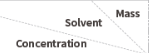 |
1 mg | 5 mg | 10 mg |
| 1 mM | 3.1619 mL | 15.8093 mL | 31.6186 mL |
| 5 mM | 632.4 μL | 3.1619 mL | 6.3237 mL |
| 10 mM | 316.2 μL | 1.5809 mL | 3.1619 mL |
| 第一步:请输入基本实验信息(考虑到实验过程中的损耗,建议多配一只动物的药量) | ||||||||||
| 给药剂量 | mg/kg |  |
动物平均体重 | g | |
每只动物给药体积 | ul | |
动物数量 | 只 |
| 第二步:请输入动物体内配方组成(配方适用于不溶于水的药物;不同批次药物配方比例不同,请联系GLPBIO为您提供正确的澄清溶液配方) | ||||||||||
| % DMSO % % Tween 80 % saline | ||||||||||
| 计算重置 | ||||||||||
计算结果:
工作液浓度: mg/ml;
DMSO母液配制方法: mg 药物溶于 μL DMSO溶液(母液浓度 mg/mL,
体内配方配制方法:取 μL DMSO母液,加入 μL PEG300,混匀澄清后加入μL Tween 80,混匀澄清后加入 μL saline,混匀澄清。
1. 首先保证母液是澄清的;
2.
一定要按照顺序依次将溶剂加入,进行下一步操作之前必须保证上一步操作得到的是澄清的溶液,可采用涡旋、超声或水浴加热等物理方法助溶。
3. 以上所有助溶剂都可在 GlpBio 网站选购。
Quality Control & SDS
- View current batch:
- Purity: >99.00% Appearance: A solid
- COA (Certificate of Analysis)
- SDS (Safety Data Sheet)
- Datasheet