





Asiatic acid是一种五环三萜类化合物,可抑制EGFR活性,对野生型EGFR和T790M/L858R EGFR的IC50值分别为0.035nM和0.348nM。

Cas No.:464-92-6
Sample solution is provided at 25 µL, 10mM.
_1-3.$$$39978408@51.jpg');)
_1-9.$$$38538795@65.jpg');)
_1-9.$$$39112701@51.jpg');)
_1-7.$$$37316672@70.jpg');)
_366-372.$$$36198801@70.jpg');)
.$$$38565142@65.jpg');)
_1867-1883.$$$33248023@67.jpg');)
_eads6055.$$$39977546@45.jpg');)
_eadm9805.$$$40080571@45.jpg');)
_eadj3020.$$$39666821@45.jpg');)
_1-20.$$$39757301@28.jpg');)
_1-24.$$$38898113@28.jpg');)
_273-287.$$$36806353@46.jpg');)
_1-16.$$$37156877@44.jpg');)
_1-19.$$$37460805@44.jpg');)
_1291-1307.$$$34518654@46.jpg');)
Asiatic acid is a pentacyclic triterpenoid that inhibits EGFR activity, with IC50 values of 0.035nM and 0.348nM for wild-type EGFR and T790M/L858R EGFR, respectively [1]. Asiatic acid induces endoplasmic reticulum stress (by increasing GRP78 and calpain, and decreasing calnexin and IRE1α expression), enhances free intracellular calcium, and damages cellular organization[2]. Asiatic acid has been widely used to attenuate inflammation, tumor cell proliferation, and induce mitochondrial pathway of apoptosis [3].
In vitro, Asiatic acid treatment for 24 hours significantly inhibited the viability of SH-SY5Y cells, with an IC50 value of 34.99±0.12µM[4]. Treatment with 80µM Asiatic acid for 12 hours led to mitochondrial dysfunction in A549 cells, accompanied by an increase in ROS levels[5]. Treatment with Asiatic acid (40µg/ml) for 48 hours can cause the cell cycle of SKOV3 cells to be arrested at the G0/G1 phase, and significantly reduce the protein levels of CDK2, CDK4, CDK6, cyclin D1 and cyclin E[6].
In vivo, Asiatic acid treatment via oral administration at a dose of 20mg/kg daily for 45 days significantly improved the blood glucose and insulin levels of diabetic rats and inhibited oxidative stress[7]. Asiatic acid treatment (20mg/kg/day; p.o.) for 2 weeks improved metabolic, hemodynamic abnormalities in metabolic syndrome (MS) rats[8].
References:
[1] Monmai C, Sabuakham S, Pabuprapap W, et al. Asiatic Acid from Centella asiatica as a Potent EGFR Tyrosine Kinase Inhibitor with Anticancer Activity in NSCLC Cells Harboring Wild-Type and T790M-Mutated EGFR[J]. Biomolecules, 2025, 15(10): 1410.
[2] Lv J, Sharma A, Zhang T, et al. Pharmacological review on asiatic acid and its derivatives: a potential compound[J]. SLAS TECHNOLOGY: Translating Life Sciences Innovation, 2018, 23(2): 111-127.
[3] Nagoor Meeran M F, Goyal S N, Suchal K, et al. Pharmacological properties, molecular mechanisms, and pharmaceutical development of asiatic acid: a pentacyclic triterpenoid of therapeutic promise[J]. Frontiers in pharmacology, 2018, 9: 892.
[4] Tangrodchanapong T, Jiso A, Changkaew P, et al. Radioprotective effects of asiaticoside and asiatic acid in neural stem cells derived from human stem cells from apical papilla through increasing dose-reduction factor and their lowering effects on SH-SY5Y cell viability[J]. PLoS One, 2025, 20(6): e0325480.
[5] Wu T, Geng J, Guo W, et al. Asiatic acid inhibits lung cancer cell growth in vitro and in vivo by destroying mitochondria[J]. Acta Pharmaceutica Sinica B, 2017, 7(1): 65-72.
[6] Ren L, Cao Q X, Zhai F R, et al. Asiatic acid exerts anticancer potential in human ovarian cancer cells via suppression of PI3K/Akt/mTOR signalling[J]. Pharmaceutical biology, 2016, 54(11): 2377-2382.
[7] Ramachandran V, Saravanan R. Asiatic acid prevents lipid peroxidation and improves antioxidant status in rats with streptozotocin-induced diabetes[J]. Journal of Functional Foods, 2013, 5(3): 1077-1087.
[8] Pakdeechote P, Bunbupha S, Kukongviriyapan U, et al. Asiatic acid alleviates hemodynamic and metabolic alterations via restoring eNOS/iNOS expression, oxidative stress, and inflammation in diet-induced metabolic syndrome rats[J]. Nutrients, 2014, 6(1): 355-370.
Asiatic acid是一种五环三萜类化合物,可抑制EGFR活性,对野生型EGFR和T790M/L858R EGFR的IC50值分别为0.035nM和0.348nM[1]。Asiatic acid可诱导内质网应激(通过增加GRP78和钙蛋白酶表达,降低钙联接蛋白和IRE1α表达)、增强细胞内游离钙离子浓度并破坏细胞结构[2]。Asiatic acid已广泛应用于减轻炎症、抑制肿瘤细胞增殖,并诱导线粒体途径的细胞凋亡[3]。
在体外,Asiatic acid处理24小时显著抑制了SH-SY5Y细胞的活力,IC50值为34.99±0.12µM[4]。用80µM的Asiatic acid处理12小时导致A549细胞线粒体功能障碍,并伴随ROS水平升高[5]。用Asiatic acid(40µg/ml)处理48小时可使SKOV3细胞的细胞周期停滞在G0/G1期,并显著降低CDK2、CDK4、CDK6、细胞周期蛋白D1和细胞周期蛋白E的蛋白水平[6]。
在体内,每日口服20mg/kg剂量的Asiatic acid连续45天显著改善了糖尿病大鼠的血糖和胰岛素水平并抑制了氧化应激[7]。Asiatic acid治疗(20mg/kg/day;口服)2周改善了代谢综合征(MS)大鼠的代谢及血流动力学异常[8]。
| Cell experiment [1]: | |
Cell lines | SH-SY5Y cells |
Preparation Method | SH-SY5Y cells were cultured in DMEM/F-12 medium containing 10% fetal bovine serum (FBS) and 1% antibiotics-antifungal agents at 37 ℃, 5% CO2, and 95% humidity. SH-SY5Y cells (30,000 cells/well) were seeded in 96-well plates and cultured for 24 hours. Then, the cells were treated with different concentrations (0, 1, 2, 10, 20, 50, 100, 250, and 500µM) of Asiatic acid for 24 hours. The control group cells were cultured in the basal medium, while the vehicle group cells were cultured in the basal medium supplemented with 0.5% DMSO. The absorbance was measured at 570nm by the MTT method. |
Reaction Conditions | 0, 1, 2, 10, 20, 50, 100, 250, and 500µM; 24h |
Applications | Asiatic acid treatment significantly inhibited the proliferation of SH-SY5Y cells in a dose-dependent manner. |
| Animal experiment [2]: | |
Animal models | Sprague-Dawley rats |
Preparation Method | Adult male Sprague-Dawley rats weighing 180-200g (at six weeks of age) were housed in a standard sterile environment. After one week of adaptation to the environment, the experimental group rats were fed a high-cholesterol and high-fat (HCHF) diet and 15% fructose was added to the drinking water for 12 weeks to induce metabolic syndrome (MS). The rats were randomly divided into 4 groups (n=10 in each group), and were given Asiatic acid or vehicle daily. Control group: Normal rats were given a vehicle (propylene glycol) by gavage daily for three consecutive weeks, at a dose of 0.15ml/100g. Control group: Normal rats were given Asiatic acid (20mg/kg) by gavage daily for three consecutive weeks. MS group: MS rats were given a solvent by gavage daily for three consecutive weeks, at a dose of 0.15ml/100g. MS treatment group: MS rats were given Asiatic acid (20mg/kg) by gavage daily for three consecutive weeks, and the blood serum was collected for analysis. |
Dosage form | 20mg/kg/day for 3 weeks; p.o. |
Applications | Asiatic acid treatment alleviated dyslipidemia by decreasing serum total cholesterol and triglycerides in MS rats. |
References: | |
| Cas No. | 464-92-6 | SDF | |
| 别名 | 积雪草酸 | ||
| 化学名 | (1S,2R,4aS,6aR,6aS,6bR,8aR,9R,10R,11R,12aR,14bS)-10,11-dihydroxy-9-(hydroxymethyl)-1,2,6a,6b,9,12a-hexamethyl-2,3,4,5,6,6a,7,8,8a,10,11,12,13,14b-tetradecahydro-1H-picene-4a-carboxylic acid | ||
| Canonical SMILES | CC1CCC2(CCC3(C(=CCC4C3(CCC5C4(CC(C(C5(C)CO)O)O)C)C)C2C1C)C)C(=O)O | ||
| 分子式 | C30H48O5 | 分子量 | 488.7 |
| 溶解度 | ≥ 24.45mg/mL in DMSO | 储存条件 | 4°C, protect from light |
| General tips | 请根据产品在不同溶剂中的溶解度选择合适的溶剂配制储备液;一旦配成溶液,请分装保存,避免反复冻融造成的产品失效。 储备液的保存方式和期限:-80°C 储存时,请在 6 个月内使用,-20°C 储存时,请在 1 个月内使用。 为了提高溶解度,请将管子加热至37℃,然后在超声波浴中震荡一段时间。 |
||
| Shipping Condition | 评估样品解决方案:配备蓝冰进行发货。所有其他可用尺寸:配备RT,或根据请求配备蓝冰。 | ||
| 制备储备液 | |||
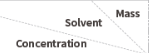 |
1 mg | 5 mg | 10 mg |
| 1 mM | 2.0462 mL | 10.2312 mL | 20.4625 mL |
| 5 mM | 409.2 μL | 2.0462 mL | 4.0925 mL |
| 10 mM | 204.6 μL | 1.0231 mL | 2.0462 mL |
| 第一步:请输入基本实验信息(考虑到实验过程中的损耗,建议多配一只动物的药量) | ||||||||||
| 给药剂量 | mg/kg |  |
动物平均体重 | g | |
每只动物给药体积 | ul | |
动物数量 | 只 |
| 第二步:请输入动物体内配方组成(配方适用于不溶于水的药物;不同批次药物配方比例不同,请联系GLPBIO为您提供正确的澄清溶液配方) | ||||||||||
| % DMSO % % Tween 80 % saline | ||||||||||
| 计算重置 | ||||||||||
计算结果:
工作液浓度: mg/ml;
DMSO母液配制方法: mg 药物溶于 μL DMSO溶液(母液浓度 mg/mL,
体内配方配制方法:取 μL DMSO母液,加入 μL PEG300,混匀澄清后加入μL Tween 80,混匀澄清后加入 μL saline,混匀澄清。
1. 首先保证母液是澄清的;
2.
一定要按照顺序依次将溶剂加入,进行下一步操作之前必须保证上一步操作得到的是澄清的溶液,可采用涡旋、超声或水浴加热等物理方法助溶。
3. 以上所有助溶剂都可在 GlpBio 网站选购。
Quality Control & SDS
- View current batch:
- Purity: >99.00% Appearance: A solid
- COA (Certificate of Analysis)
- SDS (Safety Data Sheet)
- Datasheet